

Ajuy Caves

Exclusive El Cotillo-guest tour of Fuerteventura
Book this tour exclusively for El Cotillo guests to explore the best of Fuerteventura in a day, with coastal villages, Corralejo dunes and an aloe vera plantation visit.
de, en, fr
Fuerteventura island tour with goat farm visit
If you fancy a taste of authentic Fuerteventura, then this tour is for you. Book here to visit Betancuria, Ajuy and Pajara, and a farm for a goat cheese tasting.
fr
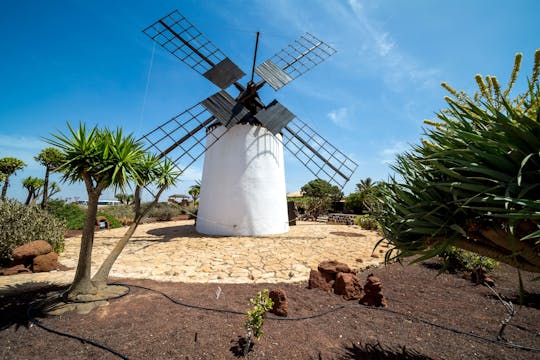
Fuerteventura villages and food tour with aloe vera plantation
Book here for a full day tour in Fuerteventura, visiting Ajuy, Pajara and much more. Plus, you'll visit an aloe vera plantation and a cheese museum.
de
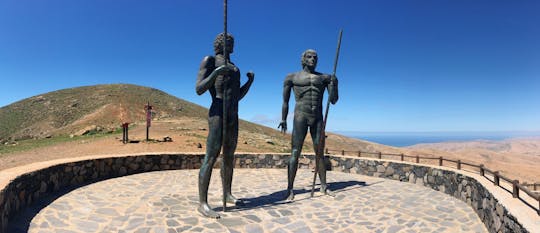
Book here for a minibus tour of Fuerteventura's typical villages, beaches and a goat farm.
de, es, en, fr, it
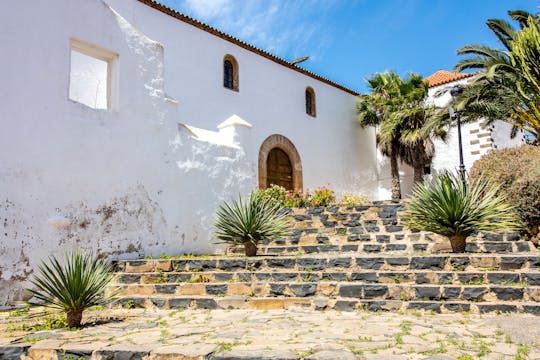
Book this tour and discover the villages and products of Fuerteventura. Visit Ajuy and Betancuria, as well as the island's cheese museum.
de, en
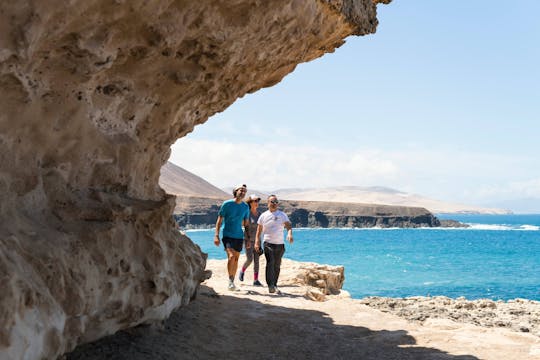
Ajuy and Las Peñitas hiking tour with picnic
Explore the 'Oasis of Fuerteventura' on this walking tour. Book now to discover Vega de Rio Palmas, Las Peñitas and the village of Ajuy, with a picnic included.
de, en
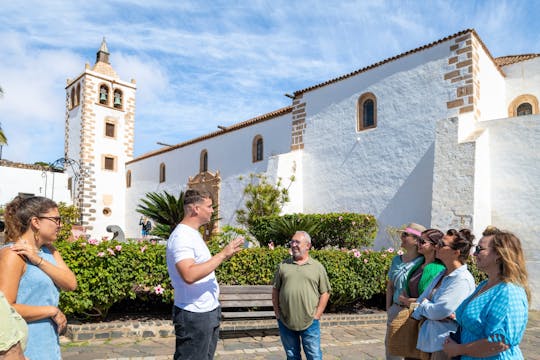
Fuerteventura farm, caves and rural villages tour with lunch
Book this tour and discover the village churches, caves and farms of Fuerteventura. Visit Ajuy, Betancuria, a local goat farm and an aloe vera farm.
de, en, pl
Top attractions in Fuerteventura





You might also like
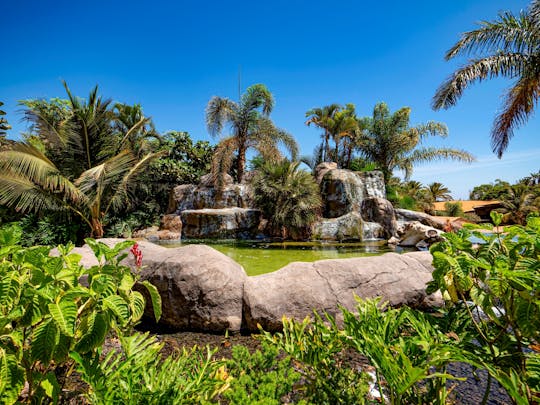
Oasis Wildlife Fuerteventura entrance tickets
Explore Fuerteventura's largest wildlife reserve. See over 3,000 animals from 250 species. Experience conservation in action at Oasis Park.
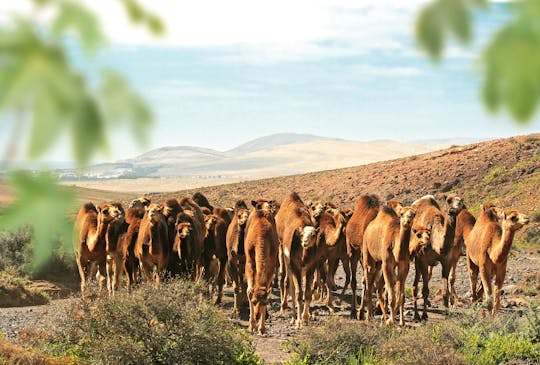
Book here to take a thrilling 25-minute camel ride across Fuerteventura's dusty landscapes. It's one of the top things to do on the island.
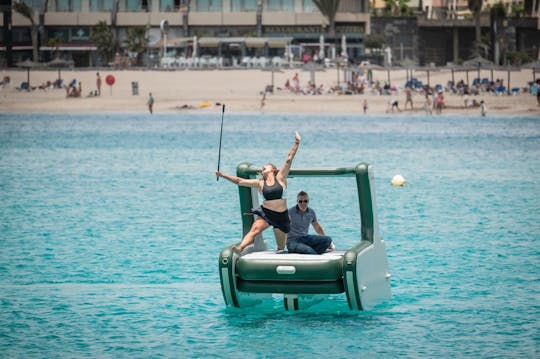
Electric Triboat hire from Caleta de Fuste harbour - 30 minutes
Cruise Caleta de Fuste bay by electric triboat with up to four people. Book now for a fun session on the water.
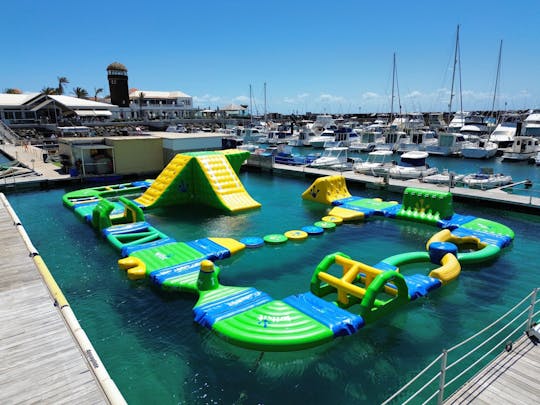
Aqua Activity Course from Caleta de Fuste Harbour
Enjoy one hour at a floating water park in Caleta de Fuste. Book now for fun, safe seaside adventures with friends or family
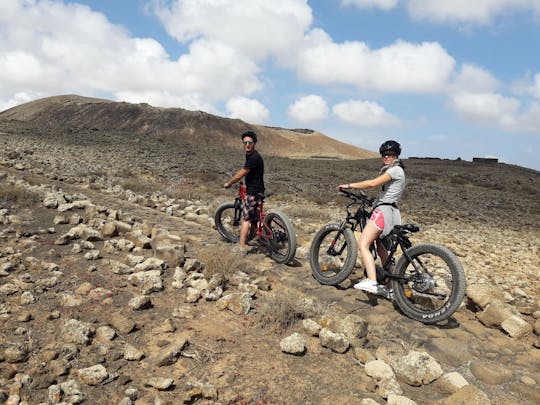
Electric bike rental from Corralejo in Fuerteventura
Rent an e-bike from Corralejo to head out and explore the island at your own pace, plus you'll get an app to guide you on routes for the best beaches and views.
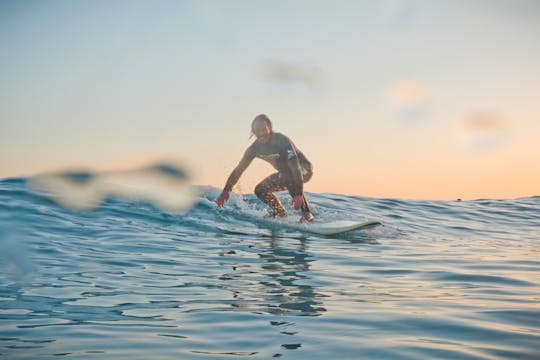
Surfing class in Fuerteventura's South white beaches
Book this 4.5-hour surfing class in Fuerteventura and get a first insight into one of the most fascinating water sports! Beginners welcome!
en, fr, es, de, nl
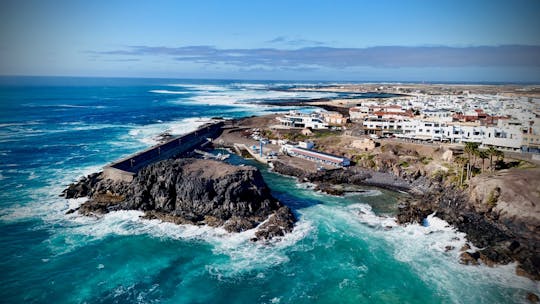
Wild north and Corralejo small-group tour from the south
Book your northern Fuerteventura tour here. See the northerly highlights on an exclusive trip, with hiking, swimming and free time included.
de, es, en, fr, pl
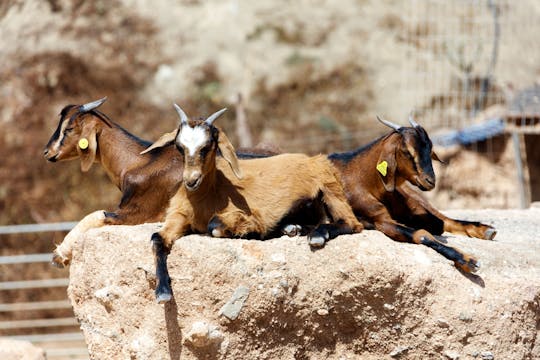
Fuerteventura Cheese Making and Goat Farm Ticket
Book here for a complete goat's cheese making experience. Visit a working goats farm, learn about the process, prepare your own cheese and enjoy a tasting.
es, en
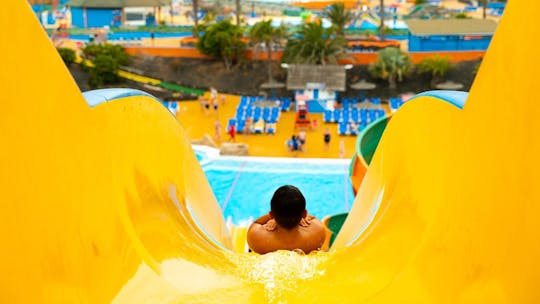
Acua Water Park Corralejo with transfer
Book here for a family day out at Acua Water Park Corralejo, the only waterpark in Fuerteventura. Take advantage of this return transfer service.
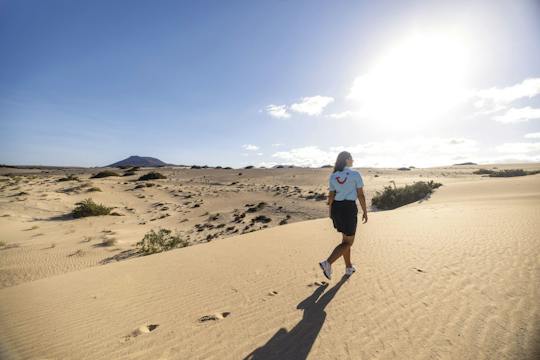
Corralejo Dunes, Campanario Market and free time in Corralejo
Book this Corralejo transfer service and visit the famous dunes, browse local crafts at Campanario Market and enjoy free time by the coast.
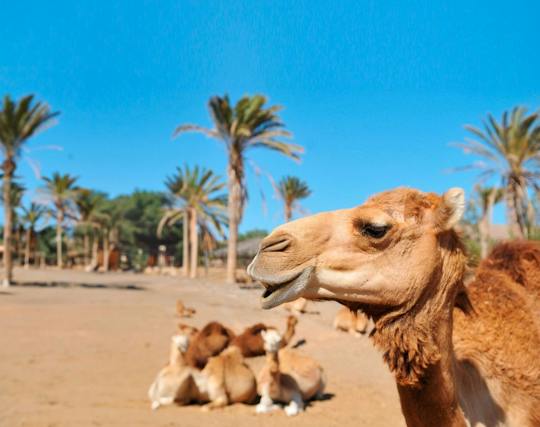
Dromemilk Camel Reserve guided tour
Explore the renowned camel reserve on a guided tour. Learn about camel milk production, conservation efforts, and the distinct Canary Island breed.
en, es
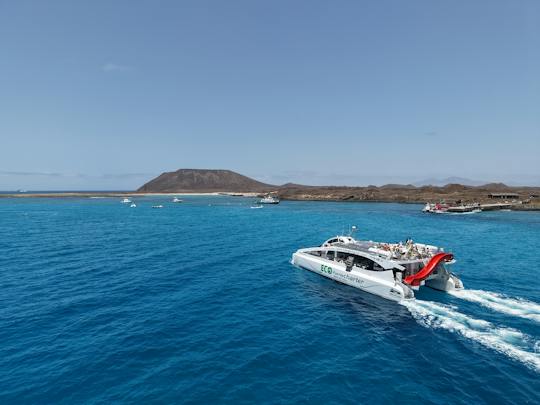
Round-trip Eco Fast Ferry to Lobos Island from Corralejo
Travel by Eco Fast Ferry from Corralejo to Lobos Island and enjoy the freedom to explore stunning volcanic landscapes, pristine beaches, scenic viewpoints and iconic landmarks while travelling comfortably and sustainably.
en, es
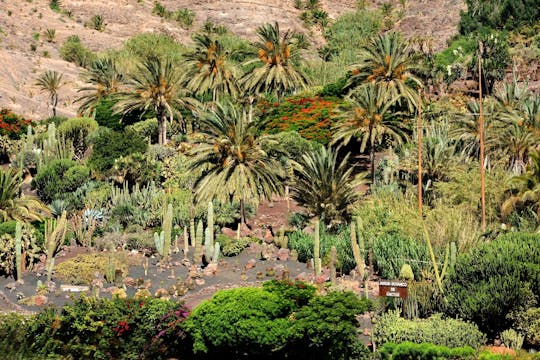
Oasis Wildlife Fuerteventura Botanic Experience guided tour
Explore Fuerteventura's native flora on a guided botanical tour. Discover rare endemic plants, conservation projects and local biodiversity.
en, es
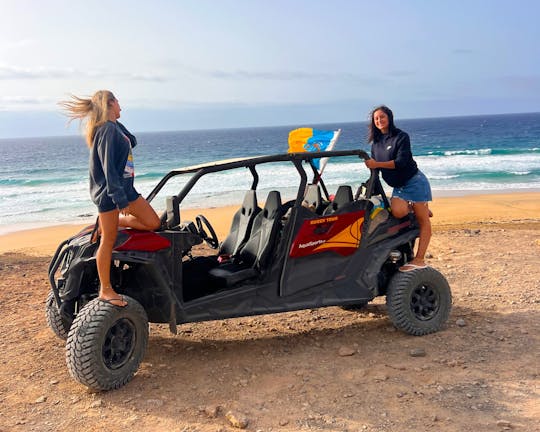
Family-friendly Punta de Jandia buggy tour from Morro Jable
Book this two-hour, family-friendly Punta de Jandia buggy adventure and journey off the tourist trail, with scenic lookout stops, local wildlife and time to soak up the views.
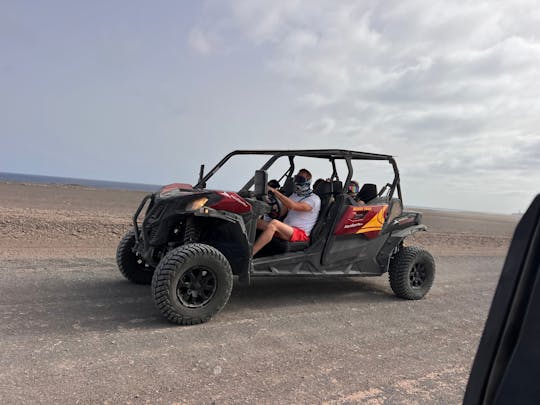
Book this family buggy tour in Fuerteventura and explore rugged off-road trails, hidden corners and coastal views on a guided adventure to Punta de Jandia.
The inside story
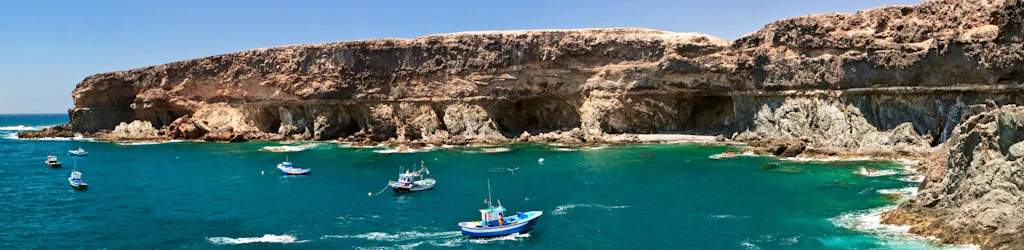
On the rugged west coast of Fuerteventura, Ajuy Caves offers one of the island’s most dramatic coastal landscapes. Formed from some of the oldest rock in the Canary Islands, these ancient sea caves sit at the base of towering cliffs where the Atlantic crashes against the shore. The surrounding black-sand beach and wild ocean views give the area a raw, untamed feel that contrasts with Fuerteventura’s calmer resort towns.
You can follow a coastal path from the village of Ajuy down to the caves, taking in sweeping views of the cliffs and ocean along the way. Inside, the cave system reveals layers of volcanic history carved out over millions of years, offering a glimpse into the island’s geological origins. These rocks are estimated to be more than 100 million years old, making them among the oldest exposed formations in the Canary Islands.